How Hurricane Ian can affect Florida Wildlife Corridor
Conservation expert talks about the impact Hurricane Ian will have on the Florida Wildlife Corridor.
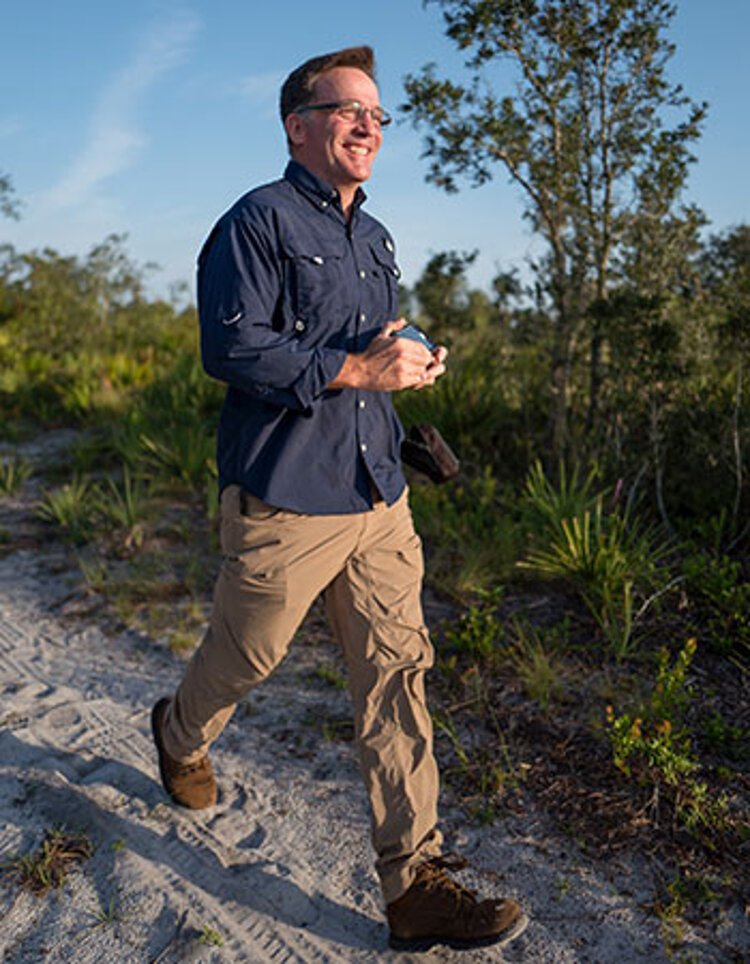
Hurricane Ian likely had a lot of impact on the fragmented landscapes in Florida’s Wildlife Corridor, and such storms underscore the need for redundancy in our ecosystem, says Jason Lauritsen, chief conservation officer for the Florida Wildlife Corridor Foundation.
“If all of your biodiversity is locked up in a couple of patches and you get a really heavy storm say for instance that knocks out all the snags, it really impacts cavity-nesting birds, as an example,’’ he says, referring to woodpeckers, ducks, owls and other birds that nest in dead tree branches.
Lauritsen adds that “if you don’t have locally nearby healthy populations of cavity-nesting birds that can seed that patch…you’ll be missing those species for long periods of time.”
Flooding from hurricanes also spreads non-native species.
“I know that the channeled apple snail, the non-native snails, will distribute widely after flooding events like this,’’ Lauritsen says.
But a possible silver lining to flooding, he notes, is that it temporarily makes up for the loss of shallow, seasonal wetlands.
“We drain those,” Lauritsen says. “Those are areas where we build on. So you have two protected wetland patches that would seasonally be connected through these ephemeral wetlands, those are gone from most of Florida’s landscape.”
When a hurricane like Ian hits, it will temporarily reconnect those wetlands, and that can increase the prey of wading birds, he says.
“So if you’re looking for a silver lining, maybe we can look for a really bumper crop of wading birds nesting this year,” Lauritsen says.
Author

Related Articles
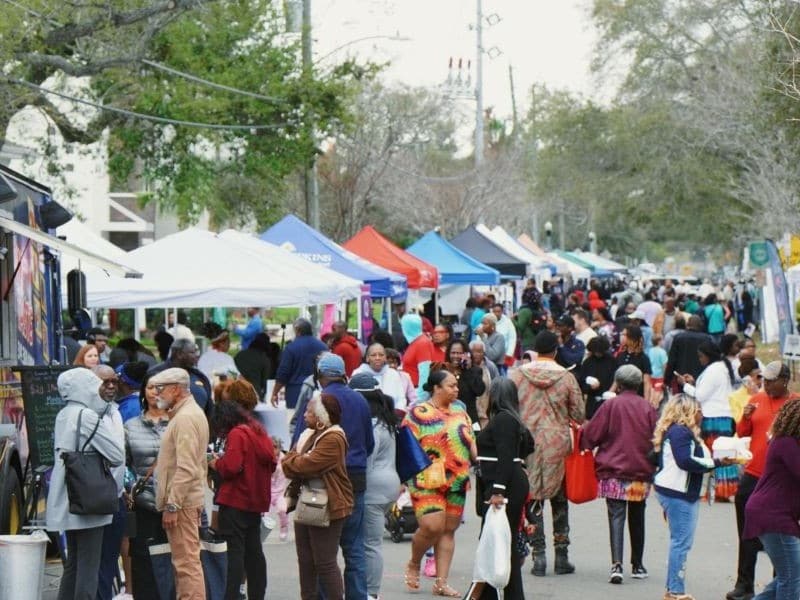
Tampa Bay Collard Green Festival celebrates culture, community
The Tampa Bay Collard Green Festival celebrates history, culture, community, and the culinary arts.

Enterprising Latinas empowers Hispanic women in Tampa Bay
Wimauma-based nonprofit creates pathways of opportunity for Latinas in the Bay Area.
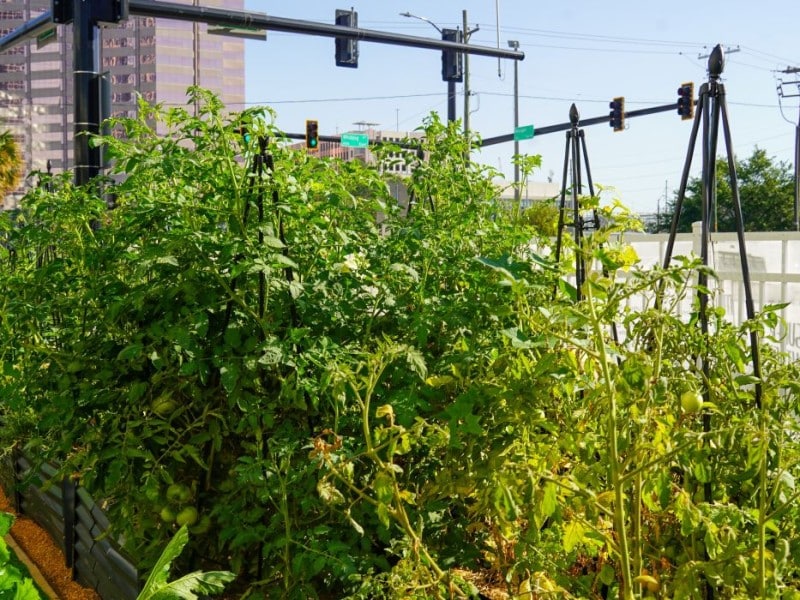
Tampa’s Parking Community Garden blooms with purpose
Tampa has transformed underutilized space outside the Whiting Street garage into a community garden.